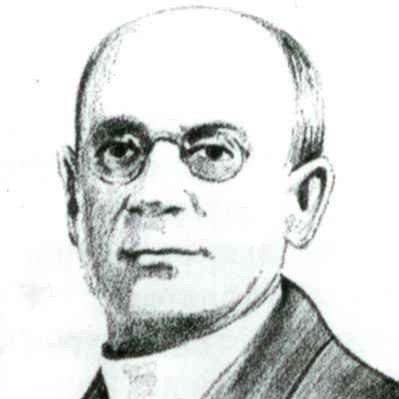
Created in the summer of 2015 by Professor Nick Kupensky (Comparative Humanities and Russian Studies, Bucknell University), and Erin Frey ’17 (Comparative Humanities, English, and Economics, Bucknell University), the Emil Kubek Project is a scholarly resource that pays homage to the works and memory of Father Emil Kubek (1857-1940), one of Mahanoy City’s (PA) most prolific writers. Father Kubek, once remembered as the devoted priest of St. Mary’s Byzantine Catholic Church, left behind an impressive wealth of literature in the form of lyrical poetry, prose, short stories, and the novel Marko Šoltys.
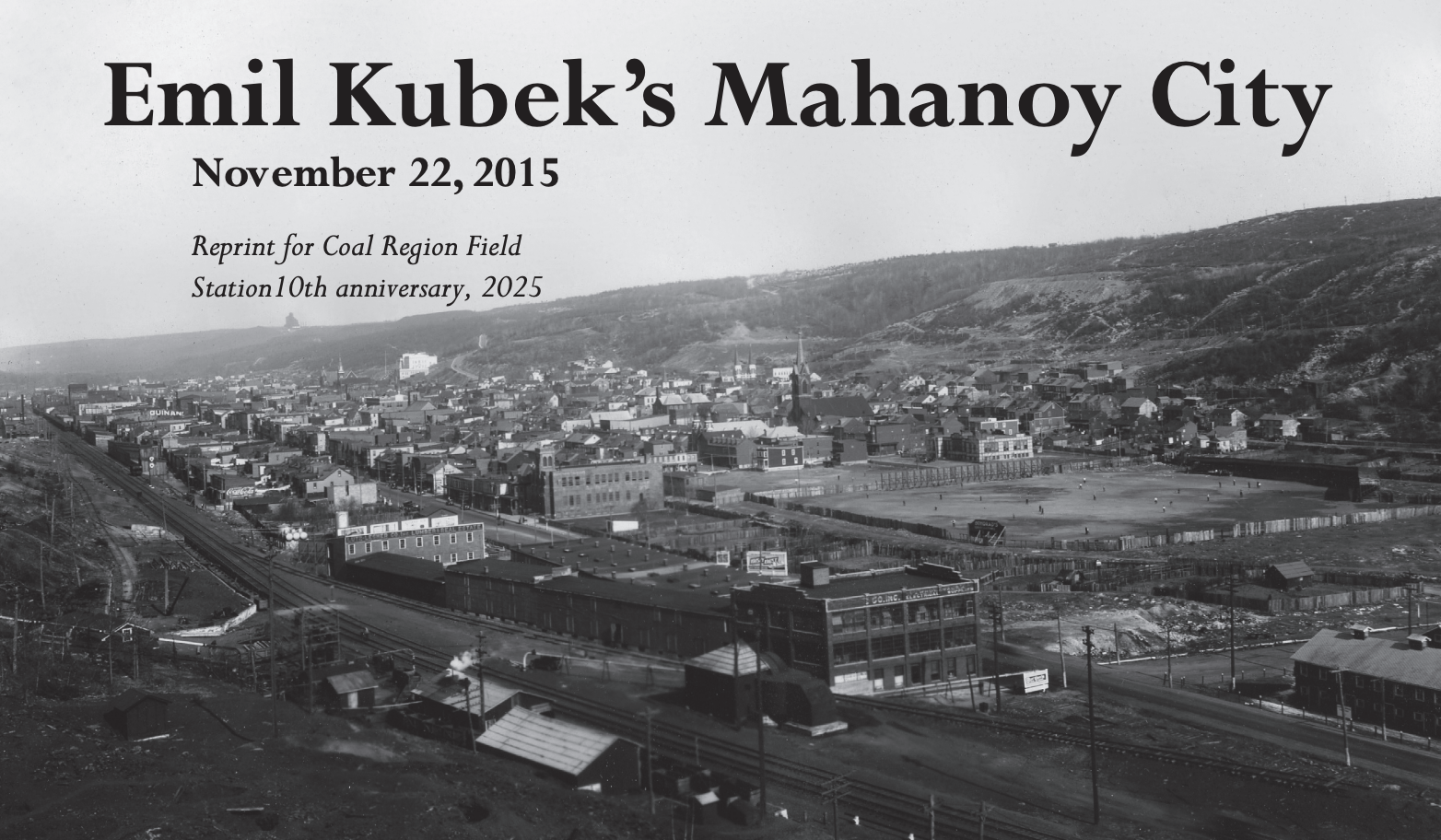
After emigrating from the Hungarian Kingdom (present day Slovakia) where he had been an accomplished journalist and lexicographer, he settled down in Mahanoy City, PA, where he sustained his journalism career by producing articles, stories, and verses for Carpatho-Rusyn newspapers and magazines. Mahanoy City served as the source of his inspiration, and as a historic and scenic backdrop for many of his works, many of which focused on the Carpatho-Rusyn immigrant experience as urban miners.There is very little Carpatho-Rusyn literature regarding the migrant experience that has been translated into English, and therefore it has made very little impression in American literary history. The Emil Kubek Project serves to preserve Carpatho-Rusyn literature and the voices of Slavic immigrants, contributing to the significance of this group in American literature and history.
“The Kubek Project invites you to take the West End Walking Tour, discover this unique literary talent, and experience the sights of historic Mahanoy City that inspired his work.”
Visitors can recreate Kupensky’s tour in person or digitally using the West End Walking Tour website here, where photos and discussion of each of the eleven stops are accompanied by curated selections of Kubek’s writings in Carptho-Rusyn and English, with photos, illustrations, and scans of original publications.
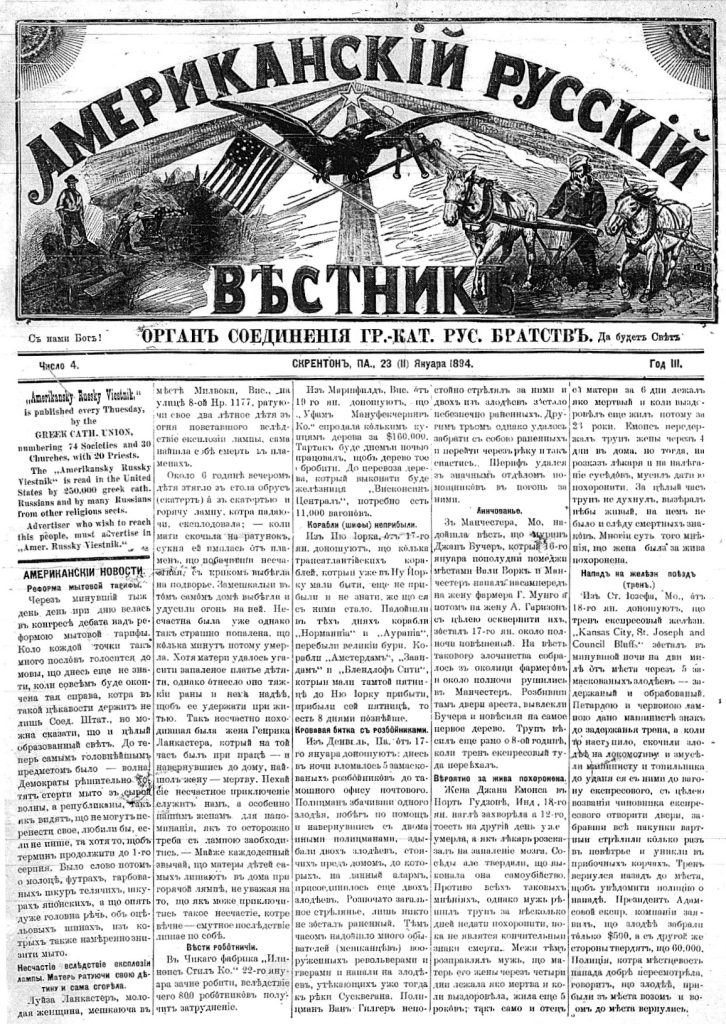
The Emil Kubek Digital Archive transcribes, translates, and digitally publishes work by and about Emil Kubek, and includes his articles and editorials, a play, a Church Slavonic-Hungarian-Russian-German Dictionary, autobiographical works, as well as a novel, short stories, and a collection of poetry.
Several of these are entirely new translations by Kupensky for the project. His digital publication of the walking tour discusses the materials in the context of Carpatho-Rusyn life in Mahanoy City during the early 1900s.
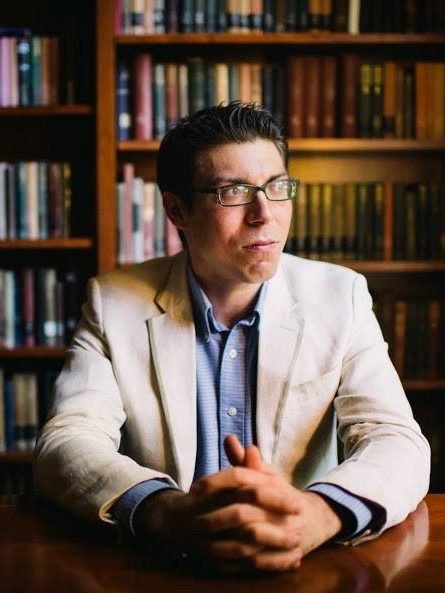

The project was created in the summer of 2015 by Professor Nick Kupensky (Comparative Humanities and Russian Studies, Bucknell University), and Erin Frey ’17 (Comparative Humanities, English, and Economics, Bucknell University).
Funded by a Coal Region Field Station Grant through ActionResearch@Bucknell, Bucknell’s program in Comparative Humanities, and the Mahanoy Area Historical Society, who hold hard copies of Kubek’s work.